Case studies
In every one of these, the decision that moved the money was somewhere other than the freight rate. Pick the one closest to your week.
Choose one
AU Logistics — case study 01 — Warehousing and distribution
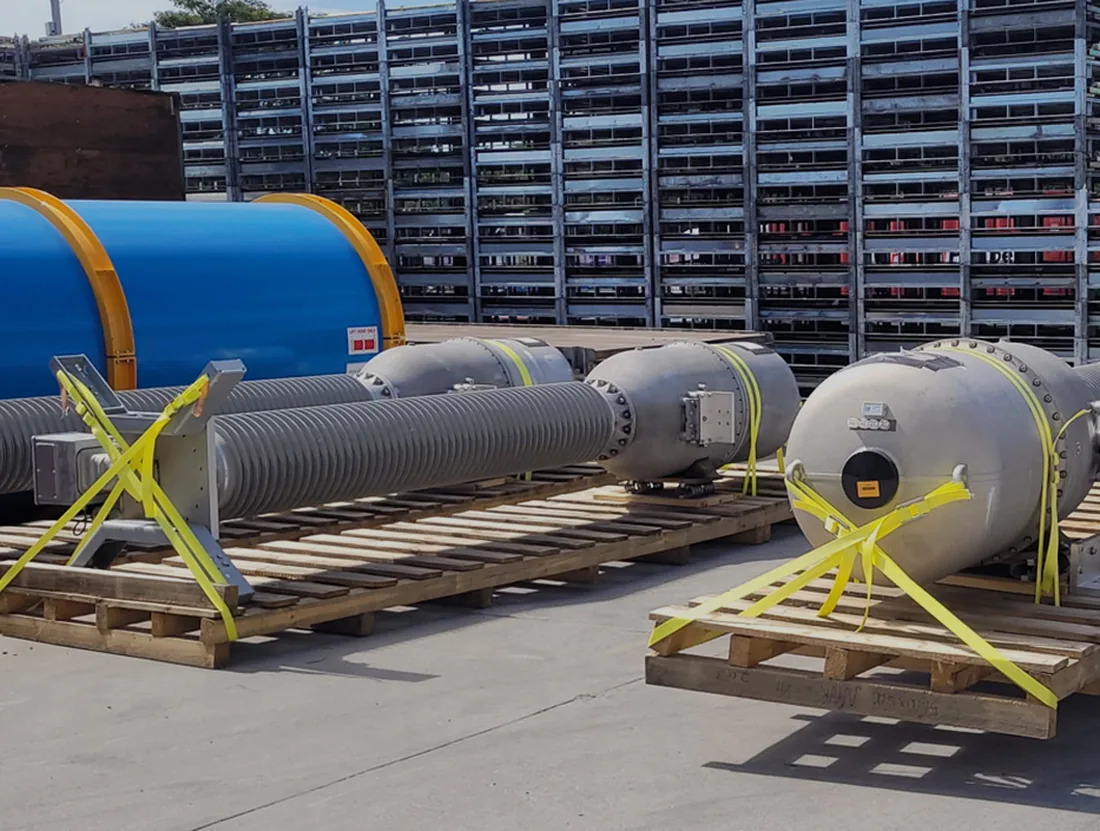
An Australian fragrance house had finished product, a distributor conversation in Auckland and no route. The product is 90% ethanol. That makes it dangerous goods Class 3, and that one fact decides who may store it, who may fly it, what paperwork travels with it, and what it costs to put one bottle in one buyer’s hands.
Same product, same pallet, same aircraft. Only the buyer changes.
One line. Two readings. Nobody had said which.
72
cartons handled. A rounding error on the shipment.
5,040
items handled. Near enough the airfreight bill again.
The rate card cannot tell you this. Your shipping calendar can.
One 155-gram bottle crosses the Tasman — storage, dangerous-goods paperwork, the flight, the border, a licensed store — for less than a tenth of what it then costs to pick that same bottle off a shelf and courier it across New Zealand. The international leg everyone negotiates turns out to be the cheap part. The rest of the landed cost was settled in a sales meeting, by choosing who to sell to, months before anyone asked a forwarder for a rate.
Want the long version? The full case study carries the consignment detail, the chain as assembled and the questions we put to each vendor.
Pallet and classification are the client’s own, from their safety data sheet. The ratios are arithmetic on the rate schedules the Australian and New Zealand parties issued in October 2024. The brand did not proceed.
AU Logistics — case study 02 — Specifications and tenders
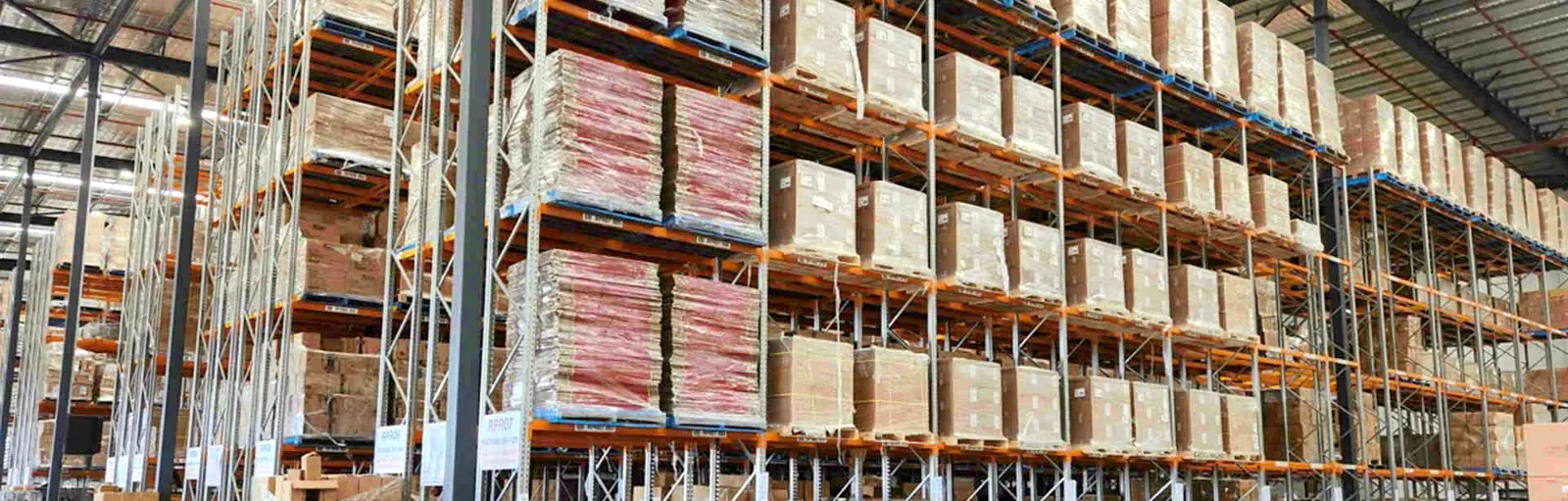
A global marketplace was flying parcels into Brisbane on scheduled bellyhold and dedicated overnight charters, feeding the national postal operator’s international arm. Our team ran the licensed depot they landed in: recover from the airport terminals at first light, break down the unit load devices, scan, cage, segregate anything the agencies flagged, and have the building empty by close. The contract asked for every parcel scanned. That is where it got interesting.
The contract asked for every parcel to be scanned. These three numbers are why that could not hold at peak.
Scanners and forklift drivers. Solvable: hire, roster, bring in labour hire.
Cubic space for unit load devices and cages. Not solvable by rostering. Procured in months, not shifts.
Full cages could not be evacuated and empty ones could not be supplied. A customer-provided input. The site stopped with staff on the floor and work waiting.
None of the three was the number in the contract. The last one was not even ours to fix.
One line, inside a four-part request covering footprint, systems, performance and customer service. It is the only mention returns get.
We had the empty cages. We had the people. The site still stopped at ten in the morning.
A service level is a capital decision wearing an operations costume. Scanning every parcel through peak needed machinery. The machinery needed about two years to pay for itself. The contract had seven months left to run. Past that point the standard cannot be bought at any price — not by us, and not by anyone bidding against us. So the number to check before signing is not the volume. It is whether your own term outlasts the payback on whatever your service standard quietly requires.
Want the long version? The full case study carries the consignment detail, the chain as assembled and the questions we put to each vendor.
An air parcel contract run from a licensed Brisbane depot, 2024 to 2026. Volumes are the site’s own processing records. The depot licence, bond integrity and presentation of goods for inspection are depot functions; declarations and clearance determinations belong to the licensed broker and the agencies.
AU Logistics — case study 03 — Project freight and network design
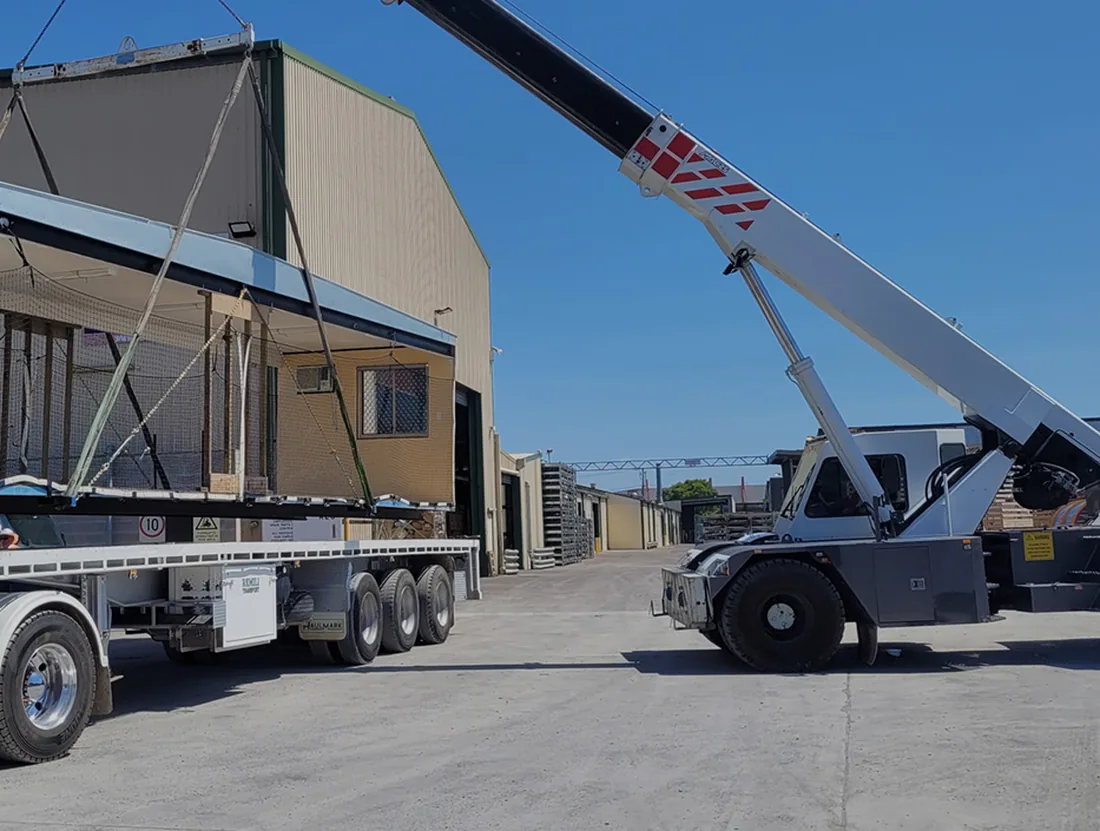
A modular housing manufacturer was importing prefabricated dwellings and building components out of four Chinese ports for a multi-thousand-home development in North Queensland. The supplier shipped on its own terms into a southern port. From there the boxes had about 1,100 km to travel north, an estate that could receive four containers a day, and then 1,100 km back to an empty park before the free-time clock ran out.
The supplier had chosen the southern port. The site was 1,100 km away from it and about 200 km from two others.
Two 1,100 km legs and a site-paced unpack, inside a window that varied from ten days to seventeen depending only on which carrier was booked.
Shipper-owned boxes, built to seaworthy certification and reinforced so they could be reused on arrival. The container stops being a leased asset on a clock and becomes project material. Detention and de-hire are not negotiated down. They stop existing.
Discharge to de-hire on the forced cycle: 3–4 days from discharge to gate-out, two days on the road out, a day to unpack, two days dead-hauling the empty back, a day for the de-hire slot — plus nought to five days queueing at a gate that took four boxes a day.
Three versions of the same programme. We modelled them back afterwards to see which decision had done the work.
The expensive fix was not the one that did the work.
We specified a container fleet and it worked. Then we modelled it back on published tariffs, and about four fifths of the exposure had already gone by the time the discharge port moved 900 km closer to site — a change that cost nothing, because it is a line in the purchase order rather than a capital item. Owning the boxes cleaned up what was left. The expensive intervention was not the one that did the work. If you only ever fix one thing on an import programme, fix where it lands.
Want the long version? The full case study carries the consignment detail, the chain as assembled and the questions we put to each vendor.
A modular housing import programme, 2025 to 2026, four Chinese load ports into North Queensland. The comparative percentage is from the route matrix issued to the client. The international leg was carried by a licensed forwarder.
Before you ask
That is the job. A brand found out that its route to market, not its forwarder, set its landed cost, and chose not to proceed. An importer found out that its supplier’s shipping term had already decided where its containers would land. Neither of those answers is a freight rate, and neither arrives after you have committed.
If we can’t move it, you’ll hear that on the first call.